New Year Around the World: Strange Ways to Start Again
Across the world, New Year's Eve and New Year's Day offer something like a universal reset button. At the heart of these celebrations is a simple idea: leave the problems of the past behind and welcome a year of health, happiness, and good fortune.
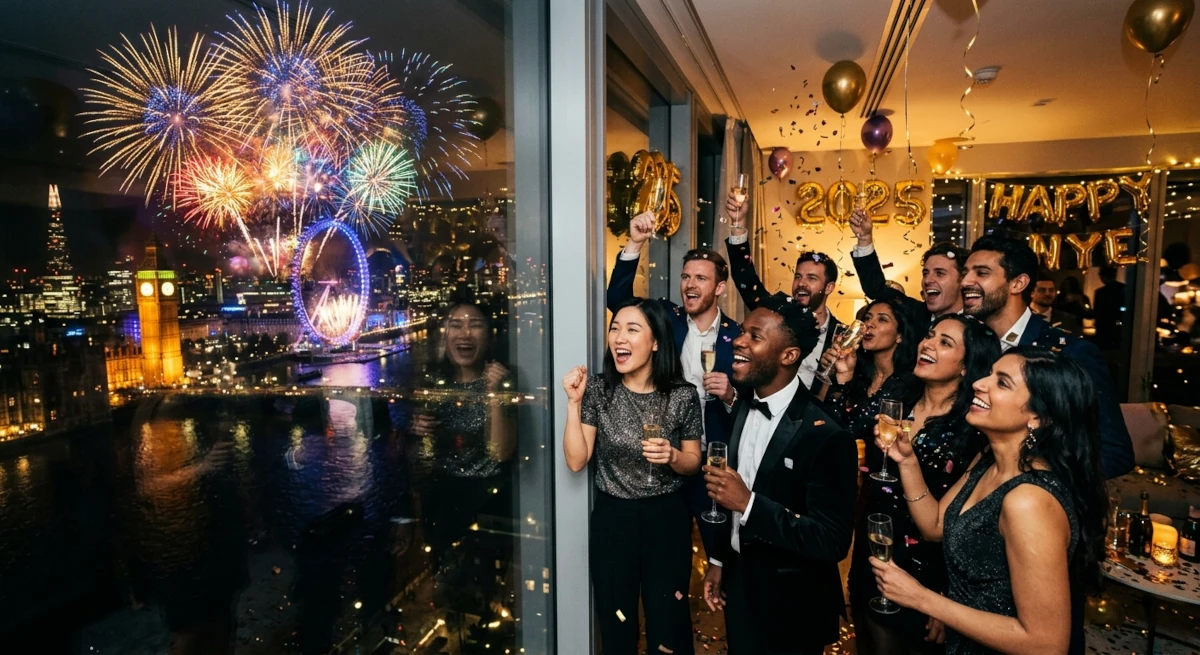
On New Year's Eve, people around the world gather with family and friends. From New York to London, fireworks light up the sky, bells ring, people cheer, and music fills the streets.
Once the clock strikes midnight, however, traditions become much more interesting -- and sometimes surprisingly strange.
Twelve Grapes and Other Lucky Foods
Food plays an important role in many New Year celebrations. In Spain and several Latin American communities, people eat twelve grapes at midnight, trying to eat one with each clock chime. Finishing all twelve is believed to bring good luck. In Italy, lentils are popular because their small, round shape looks like coins. Eating them is associated with wealth and prosperity. In Japan, people traditionally eat toshikoshi soba, or "year-crossing noodles." The long noodles represent a long life.
Burning and Breaking the Old Year
Some traditions take the idea of "out with the old" very literally. In Ecuador, people make large effigies called Año Viejo, meaning "Old Year." At midnight, they burn them as a symbolic way of saying goodbye to the problems of the old year. In Denmark, there is a tradition involving broken dishes. Historically, people threw old plates and other crockery against the doors of friends and neighbors. Finding broken dishes outside your home was considered a sign that you had many friends. The tradition is less common today, but it remains one of Denmark's most unusual New Year customs.
Suitcases, Waves, and Dancing Bears
In several Latin American countries, people with wanderlust sometimes walk or run around the block carrying an empty suitcase at midnight. The idea is that the suitcase will attract travel and adventures in the coming year. In Brazil, some people celebrate by going into the ocean and jumping over seven waves, making wishes for the year ahead. And in parts of Romania, New Year celebrations can include the famous Bear Dance. Performers wear large bear costumes and dance through the streets to drums and other music.
New Year's Resolutions
One of the most common modern traditions is making New Year's resolutions -- promises to yourself about something you want to change or achieve. People may decide to exercise more, save money, learn a new skill, travel somewhere new, or spend more time with family and friends.
Different Traditions, Same Wish
Whether you're eating grapes or noodles, burning giant figures, breaking plates, carrying empty suitcases, jumping over waves, or dancing in bear costumes, underneath it all is a universal idea: people everywhere hope for a better year. We cannot control everything that will happen during the next twelve months. But for one night, people around the world share the same simple hope: out with the old, in with the new. And may the year ahead be a good one.