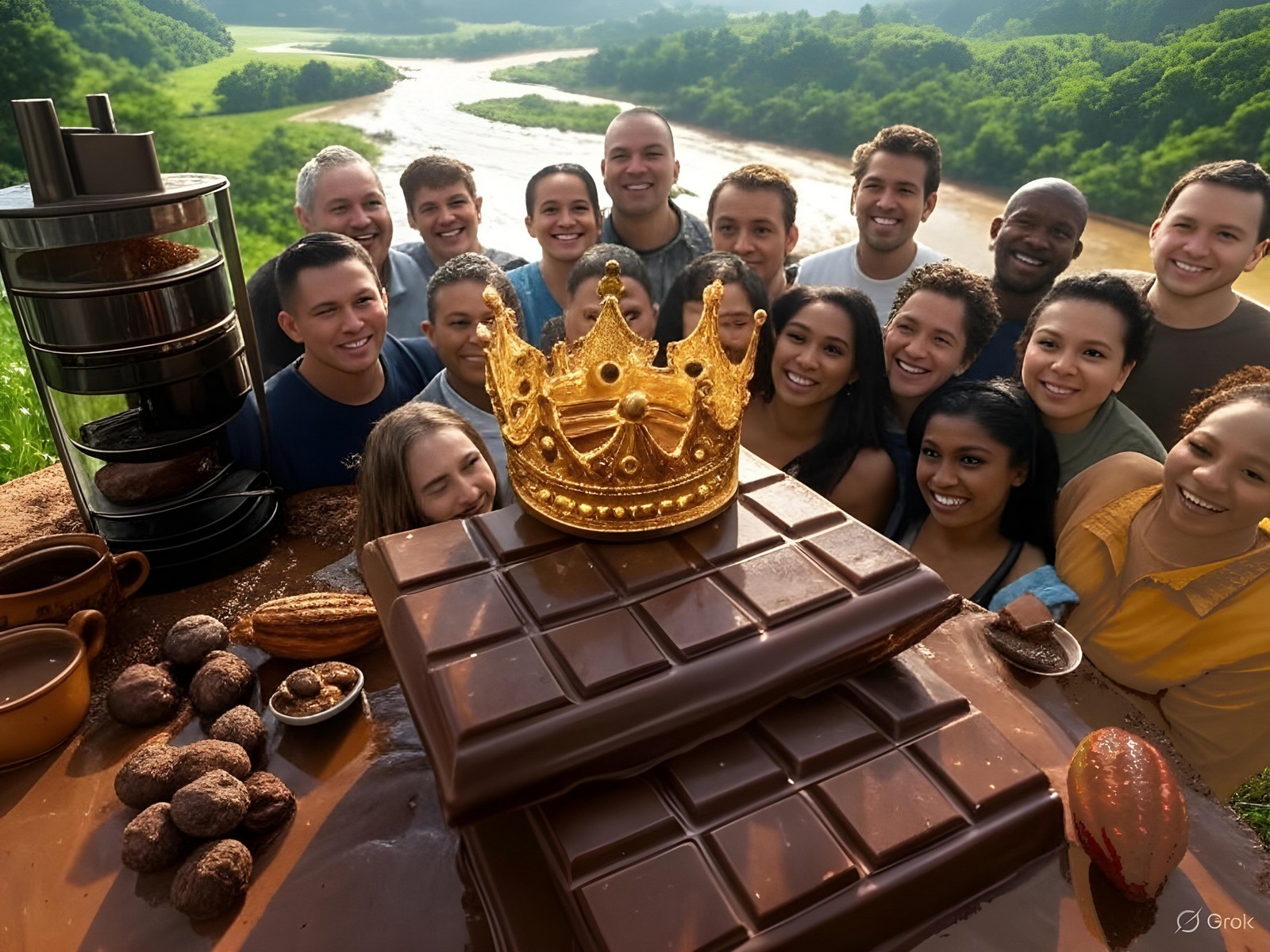
Chocolate is often celebrated as the "king of treats," and for good reason. Loved by people of all ages and cultures, chocolate brings joy and comfort with every bite. Its rich history, mood-enhancing qualities, versatility and cultural importance make it a truly special indulgence. Today we’ll explore why chocolate continues to hold a special place in the hearts of over 7 billion chocolate lovers worldwide.
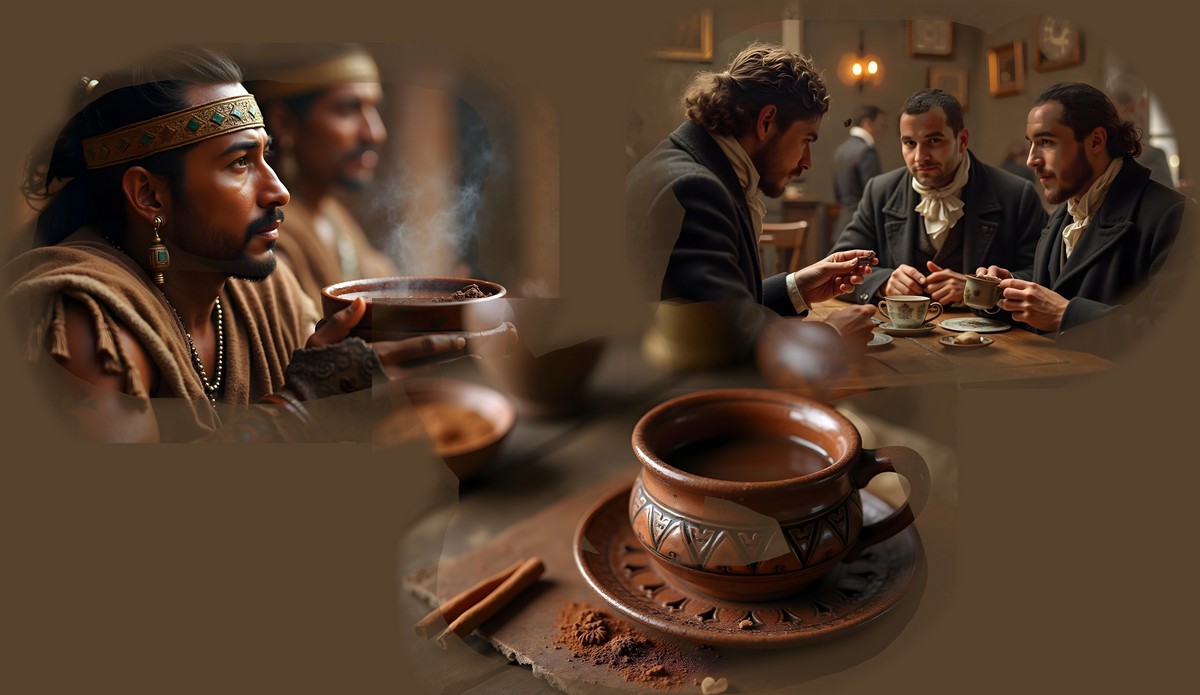
Chocolate’s history is as fascinating as its taste. It originated thousands of years ago in Mesoamerica, where ancient civilizations like the Mayans and Aztecs revered it as a sacred gift from the gods. Back then, chocolate was consumed as a bitter drink mixed with spices. When European explorers brought cacao to Europe in the 16th century, sugar was added, transforming it into the sweet treat we know today. Over the centuries, chocolate has become a global sensation, evolving into an industry worth over $100 billion annually.

One of chocolate’s most remarkable qualities is its ability to enhance our mood and senses. Scientifically, chocolate contains chemical compounds that stimulate the brain and release feel-good chemicals such as serotonin. This is why eating chocolate can make us feel happier and more relaxed. Additionally, its smooth texture and rich aroma create a luxurious sensory experience that few other foods can match. A single bite of chocolate has the power to turn an ordinary moment into something special.
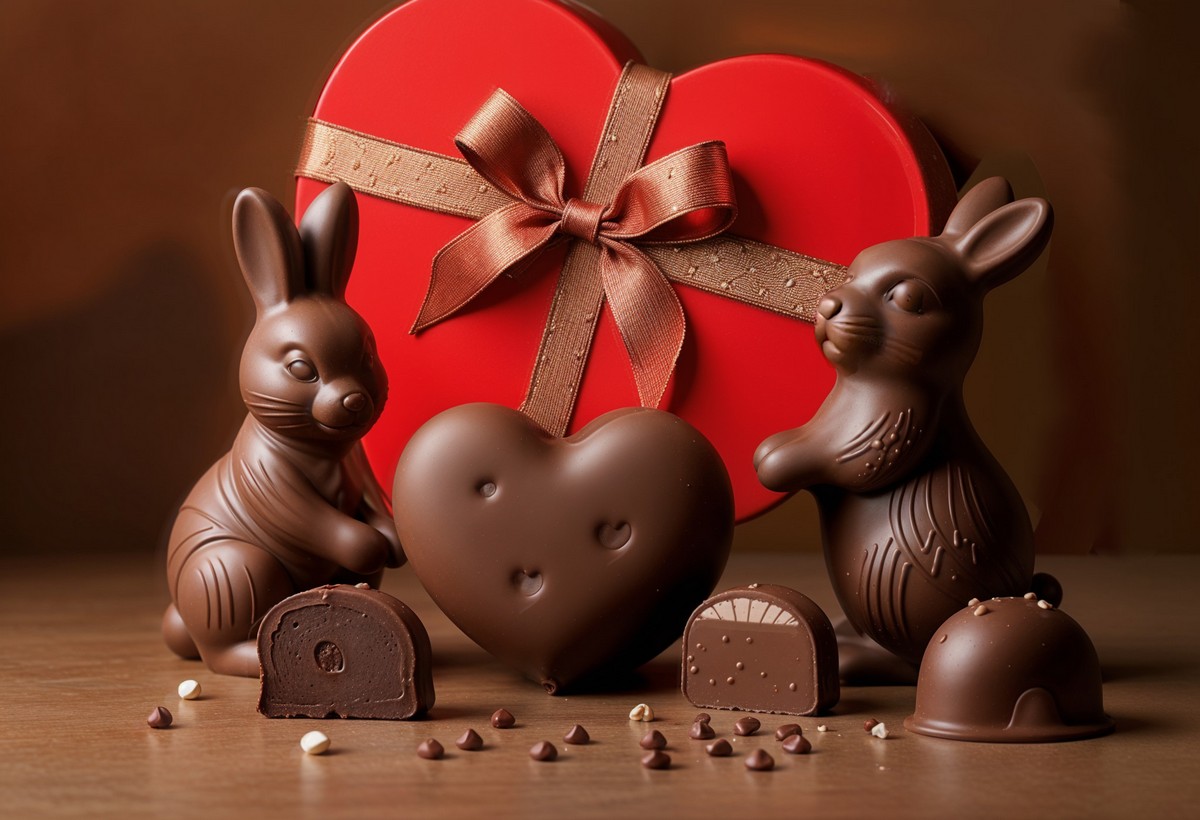
Another reason for chocolate’s enduring appeal is its incredible versatility and cultural significance. Chocolate comes in many forms—milk, dark, white—and is used in everything from simple chocolate bars to elaborate desserts like cakes, truffles, and mousses. It plays a central role in celebrations worldwide: heart-shaped chocolates for Valentine’s Day, chocolate eggs for Easter, and chocolate stocking stuffers for Christmas. In countries like Belgium and Switzerland, chocolate-making is a proud tradition and is considered an art form.
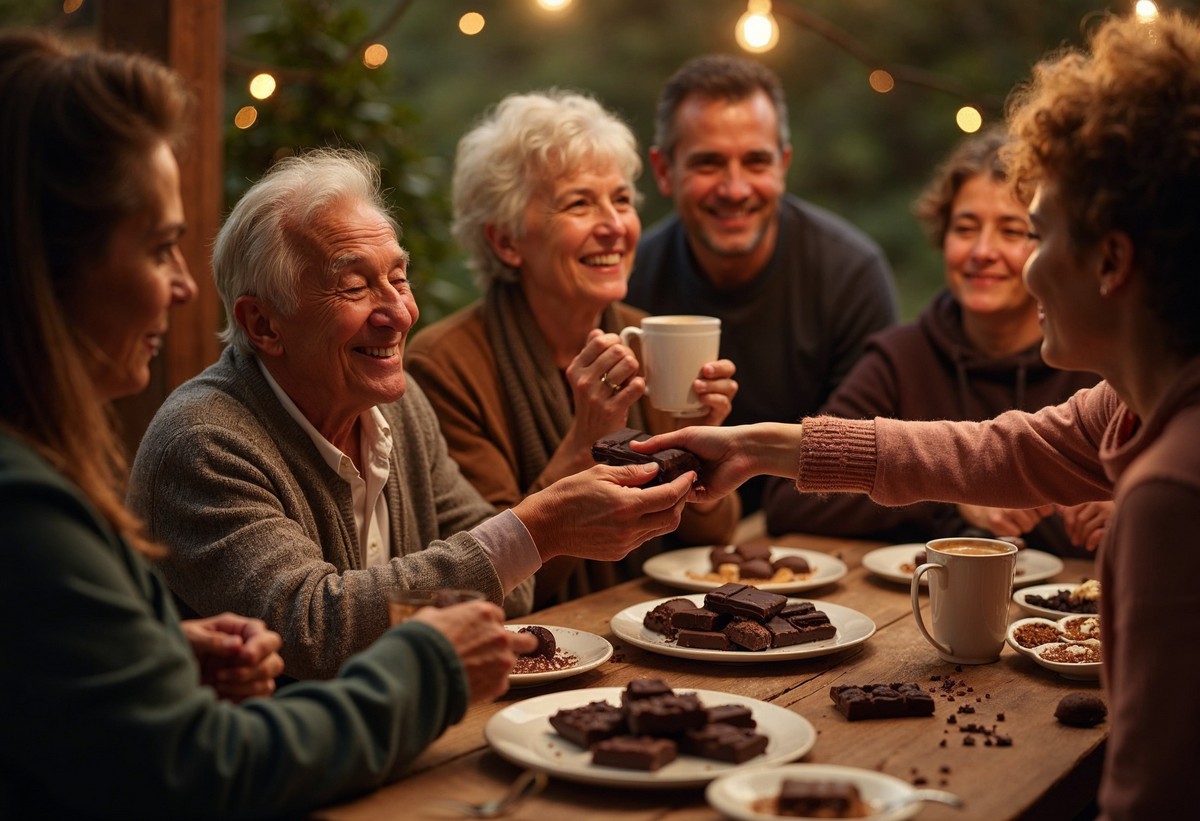
In conclusion, chocolate’s combination of history, sensory appeal, variety and cultural relevance makes it truly deserving of its title as the king of treats. Whether you’re enjoying a small piece after a long day or during a festive occasion, chocolate has a way of making life sweeter. Its universal appeal connects people across cultures and generations, reminding us that one of the best pleasures in life is simply—chocolate.
Comprehension Questions
with suggested answers
How many people around the world love chocolate?
Over 7 billion people around the world love chocolate.
How did the Mayans and Aztecs consume chocolate a long time ago?
They consumed chocolate as a bitter drink mixed with spices.
What did European explorers add to chocolate in the 16th century?
They added sugar to the cacao, which transformed it into a sweet treat.
Why can eating chocolate make us feel happier and more relaxed?
Eating chocolate makes us feel happier and more relaxed because it contains chemical compounds that release feel-good chemicals like serotonin.
What are the three main forms of chocolate mentioned in the article?
The three main forms of chocolate mentioned in the article are milk, dark, and white chocolate.
In which countries is chocolate-making considered a proud tradition and an art form?
Chocolate-making is considered a proud tradition and an art form in countries like Belgium and Switzerland.
According to the conclusion, what connects people across different cultures and generations?
The universal appeal of chocolate connects people across different cultures and generations.
Discussion
Personal Preferences and Habits
Chocolate comes in many forms, like simple bars or elaborate desserts. What is your favorite way to eat chocolate, and when do you usually enjoy it? (If not, what is your chocolate alternative?)
Food and Traditions
Chocolate is popular for Valentine's Day and Easter. Do you have a special food and holiday combination (e.g. turkey on Thanksgiving)?